Augusto Yanacopulos
R
Therefore, tell me, Oh Wind. What afternoons are these of my deterioration And my fall
- Jorge Frisando
eflection
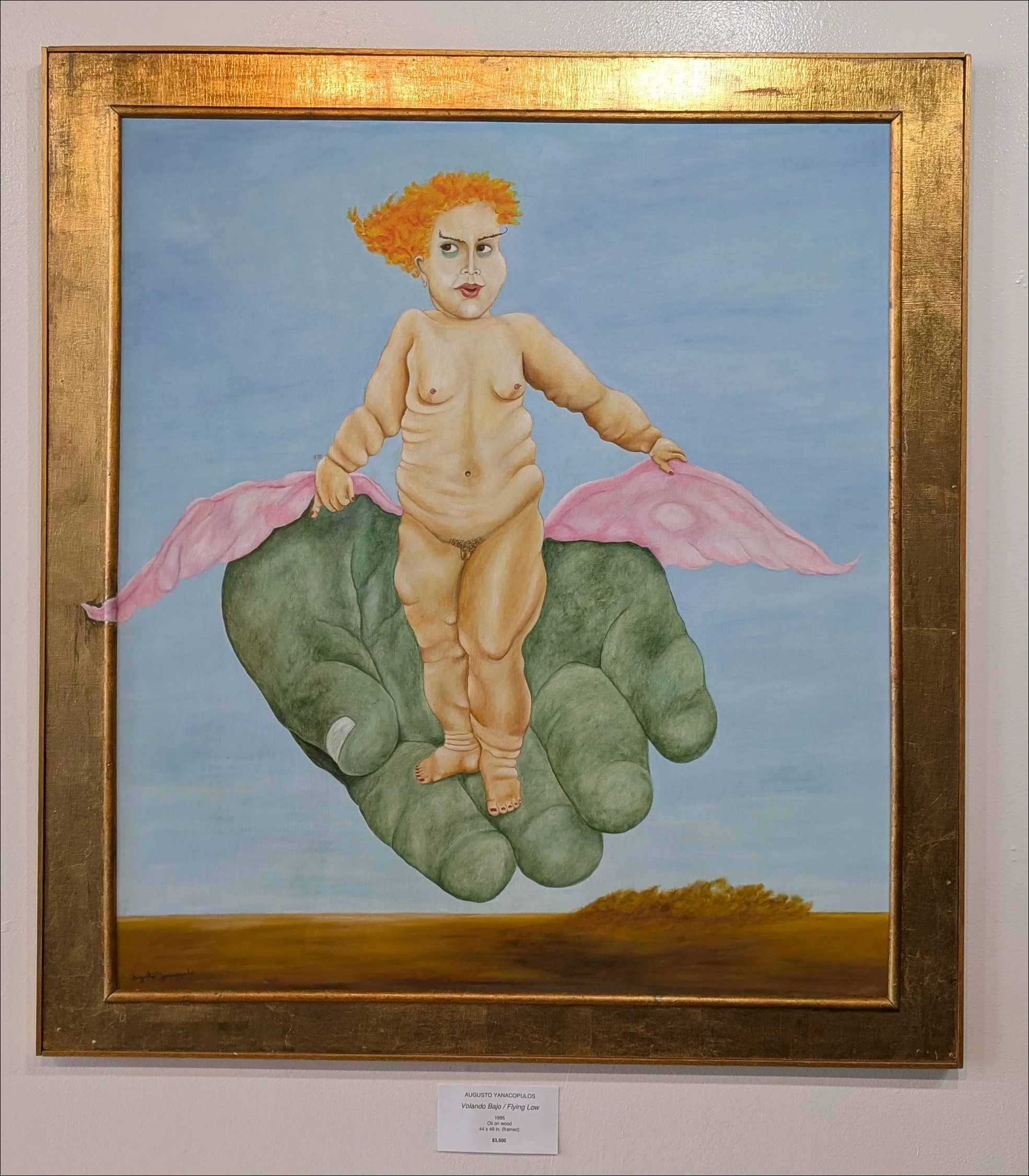
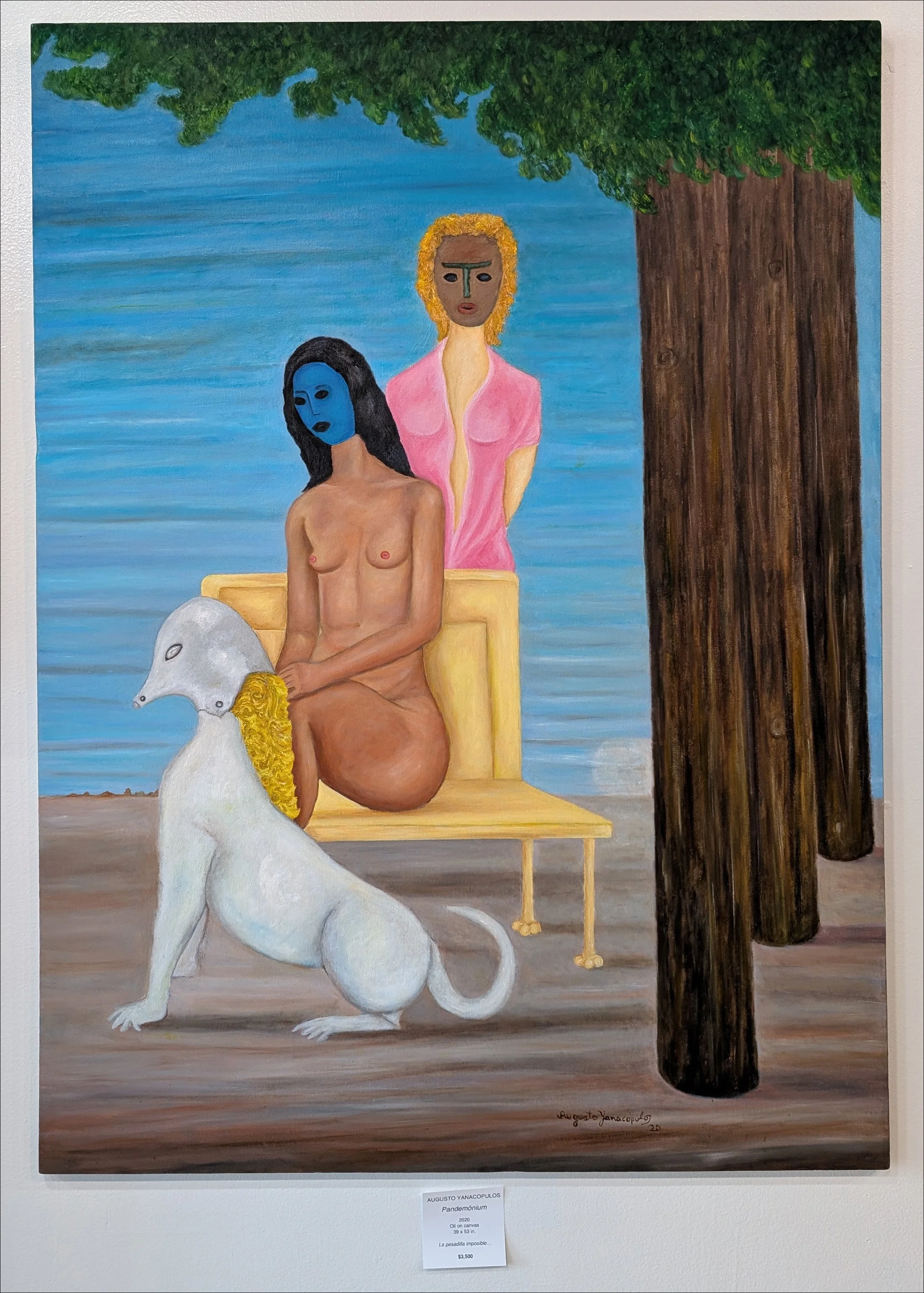
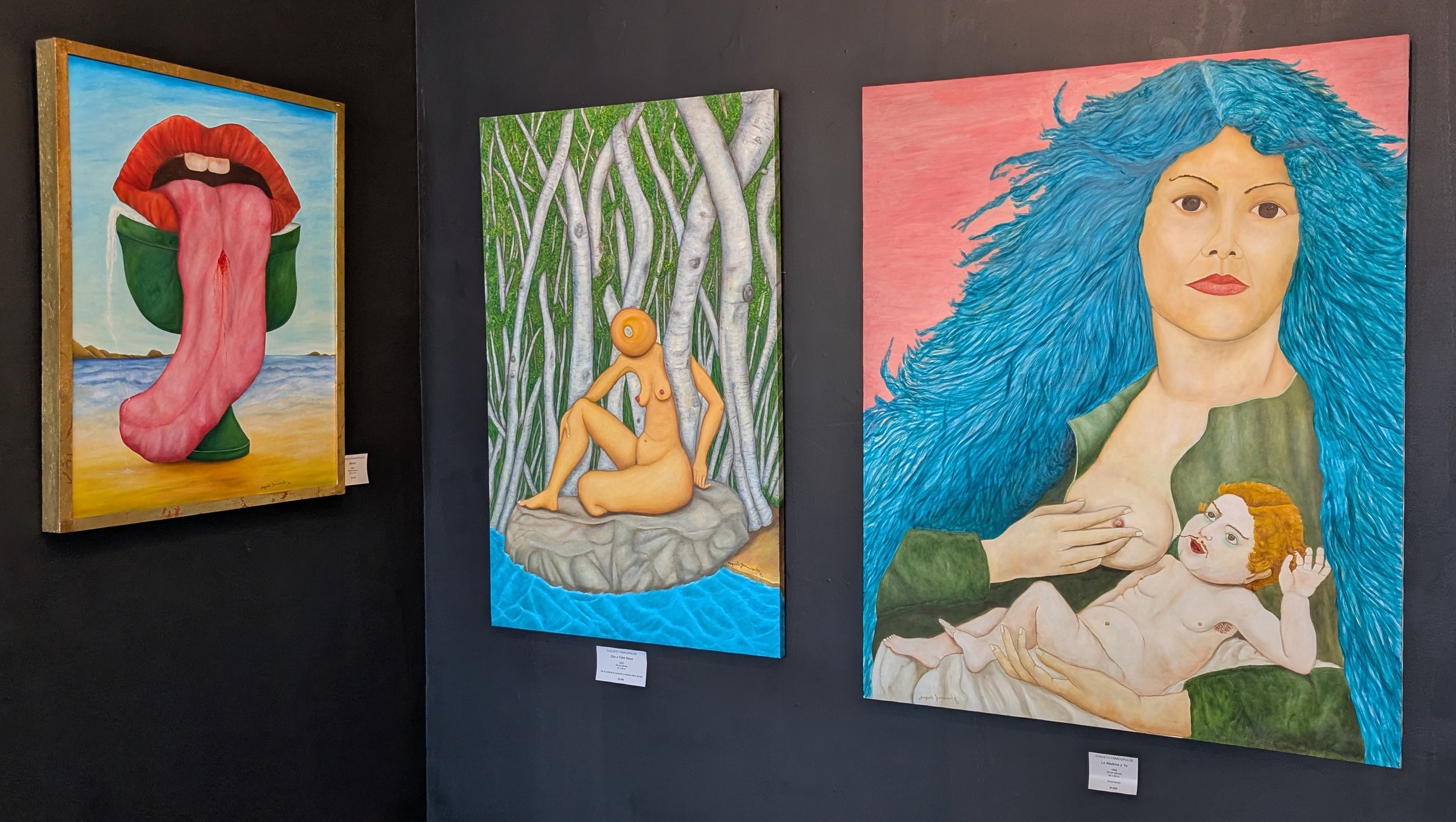
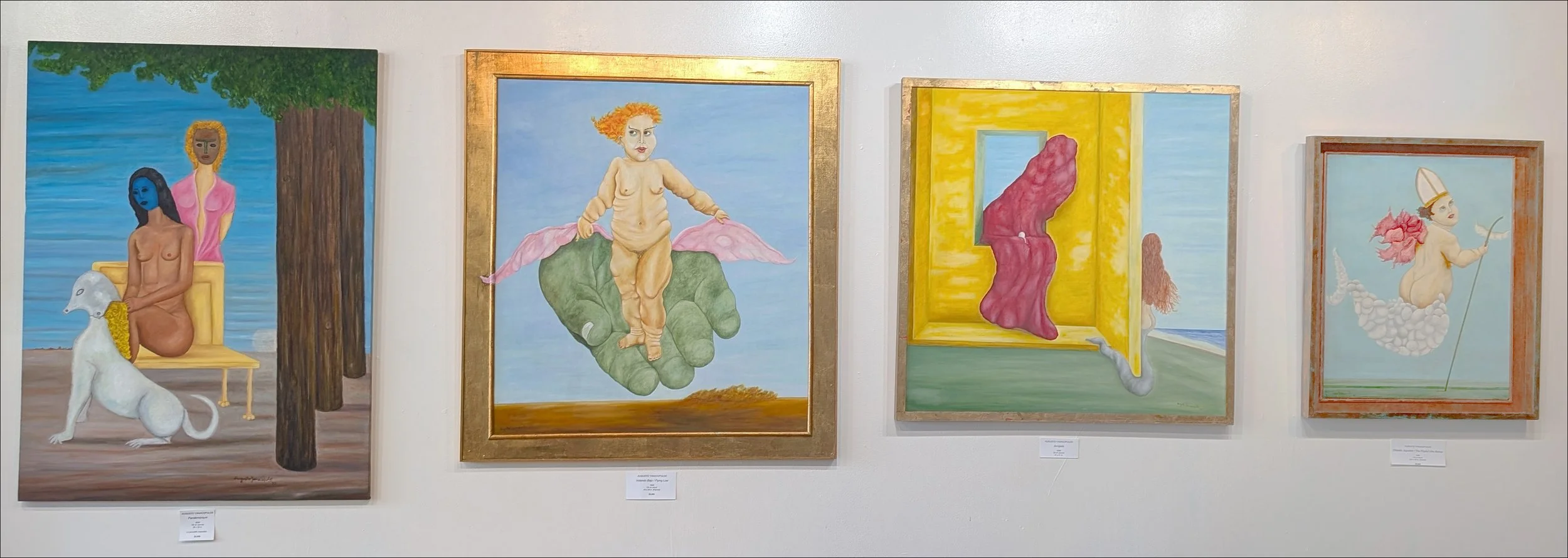
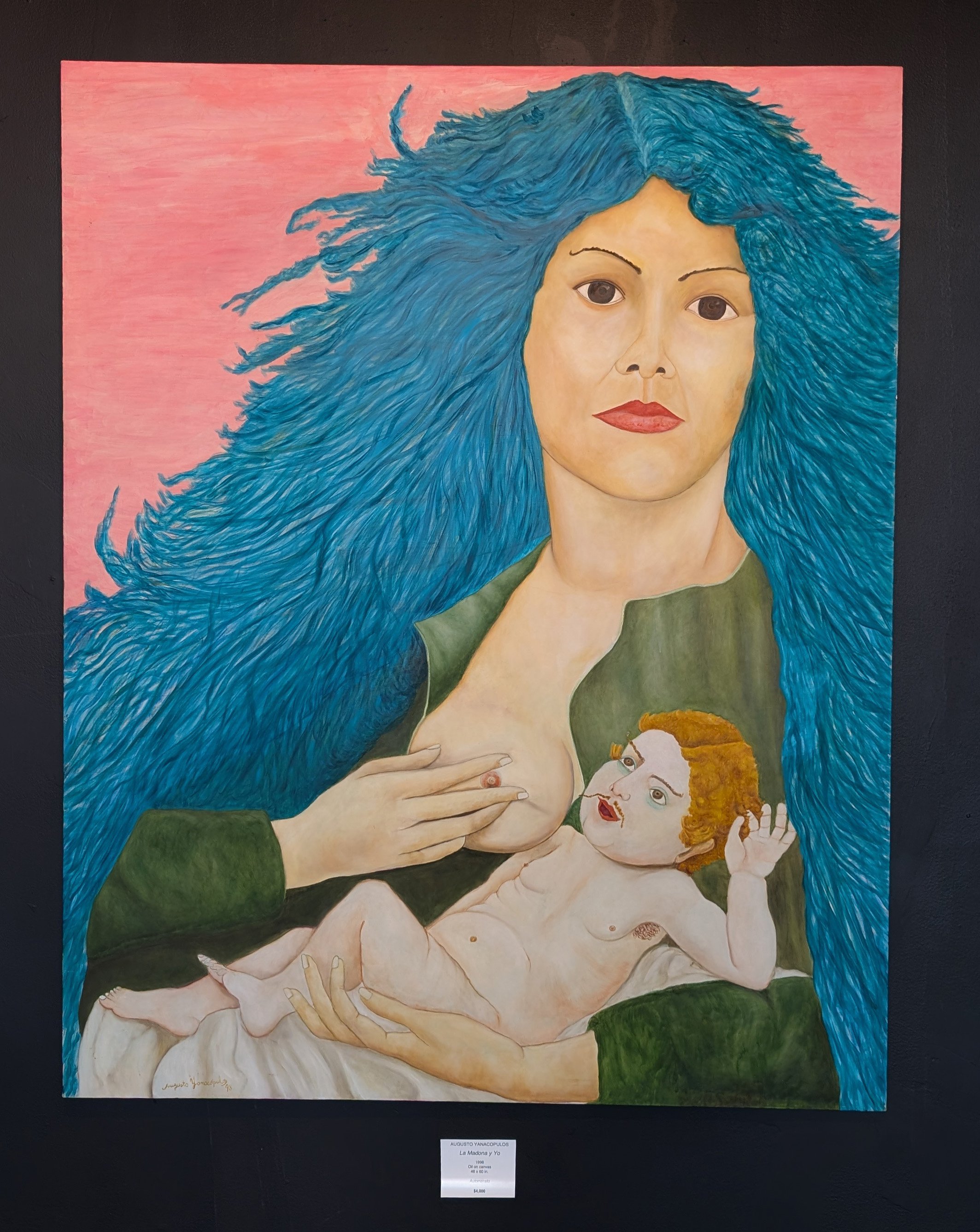
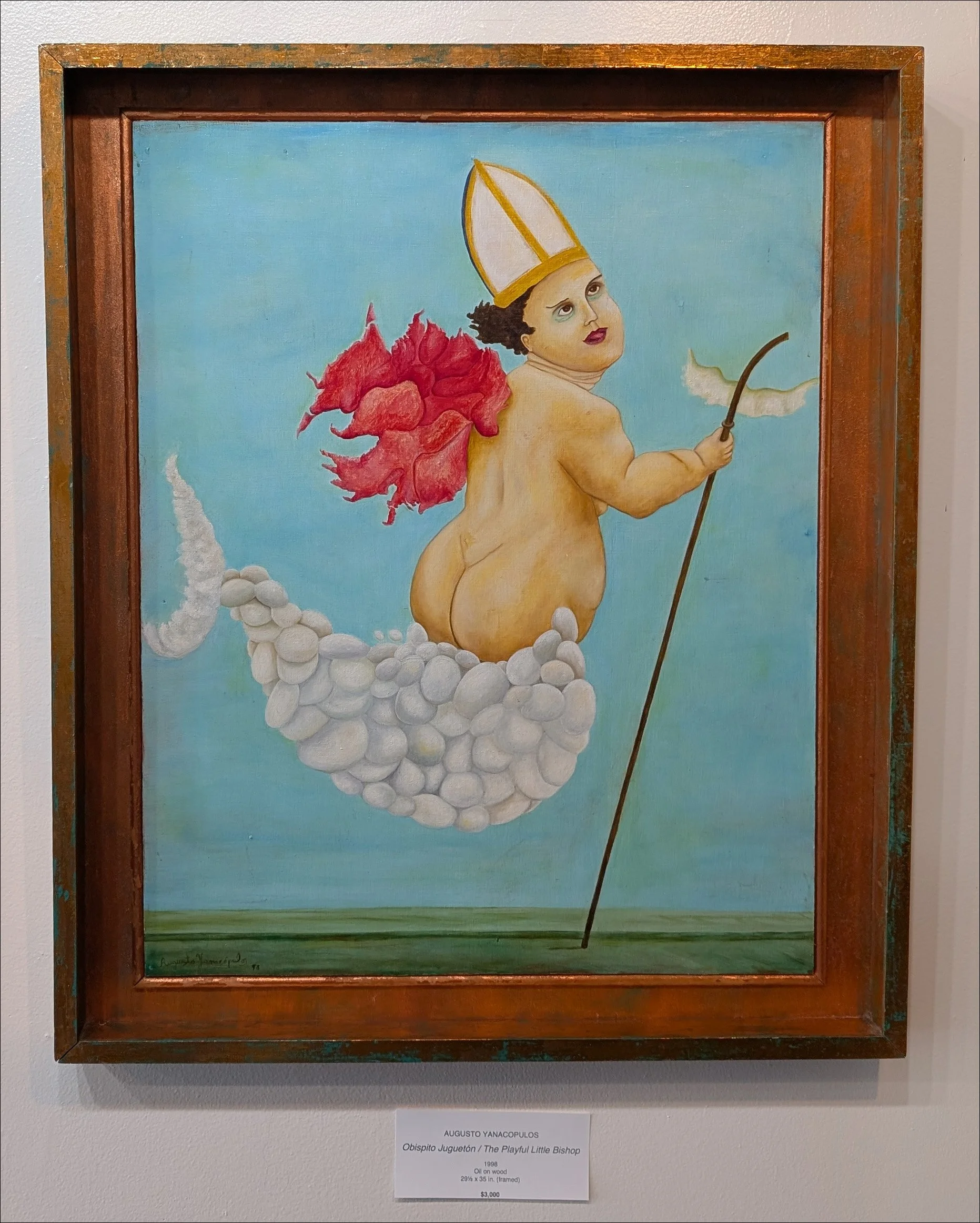
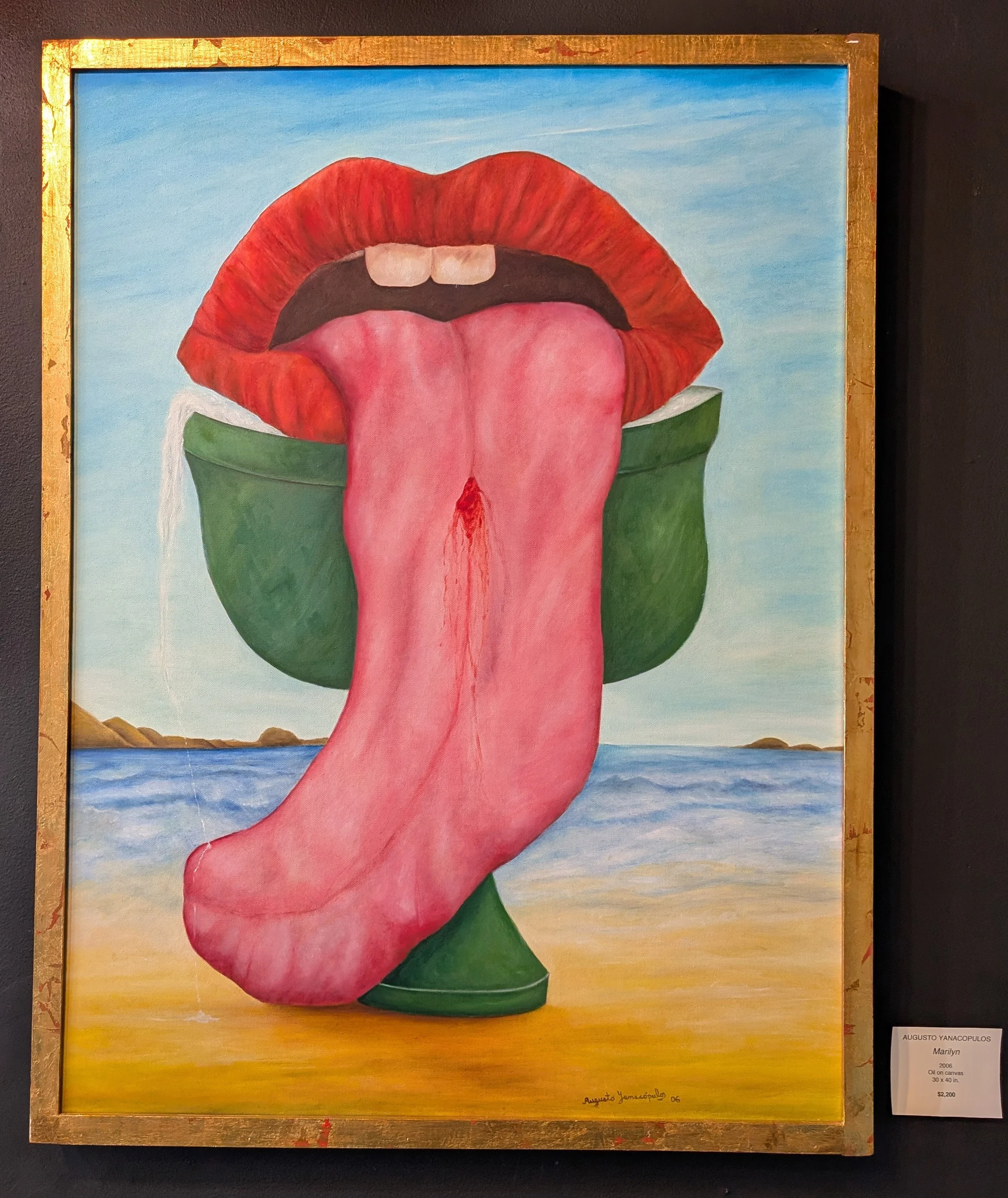
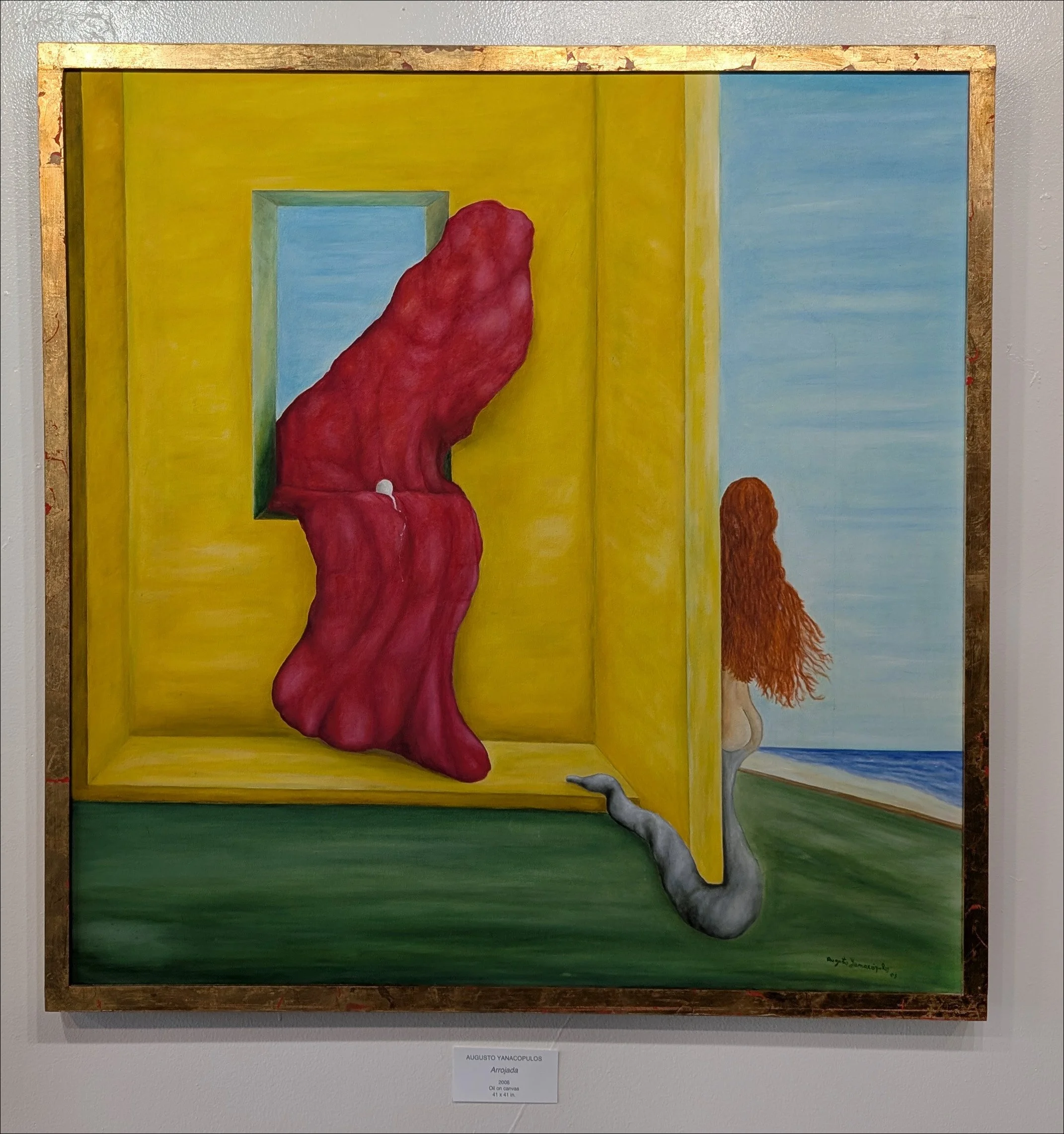
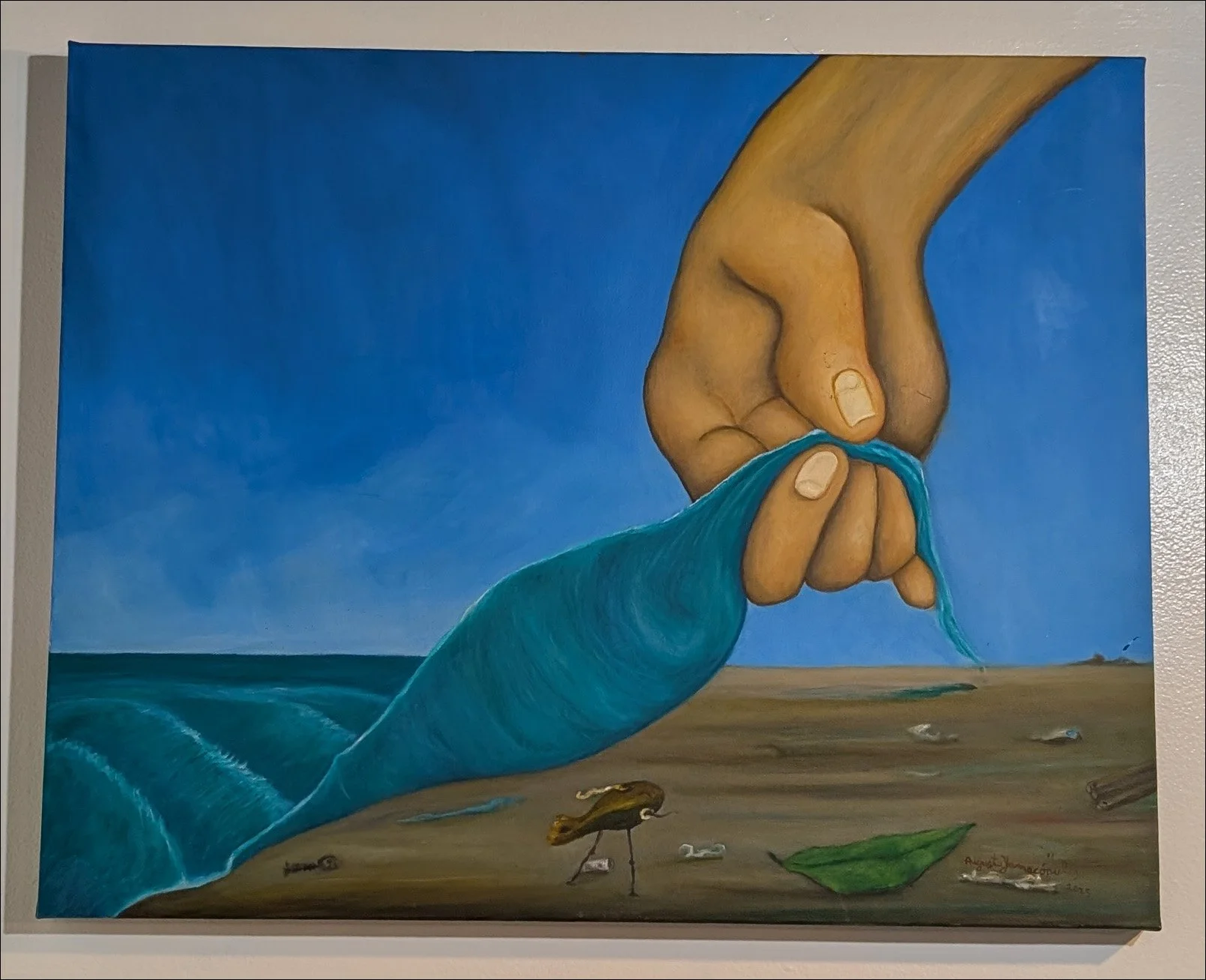
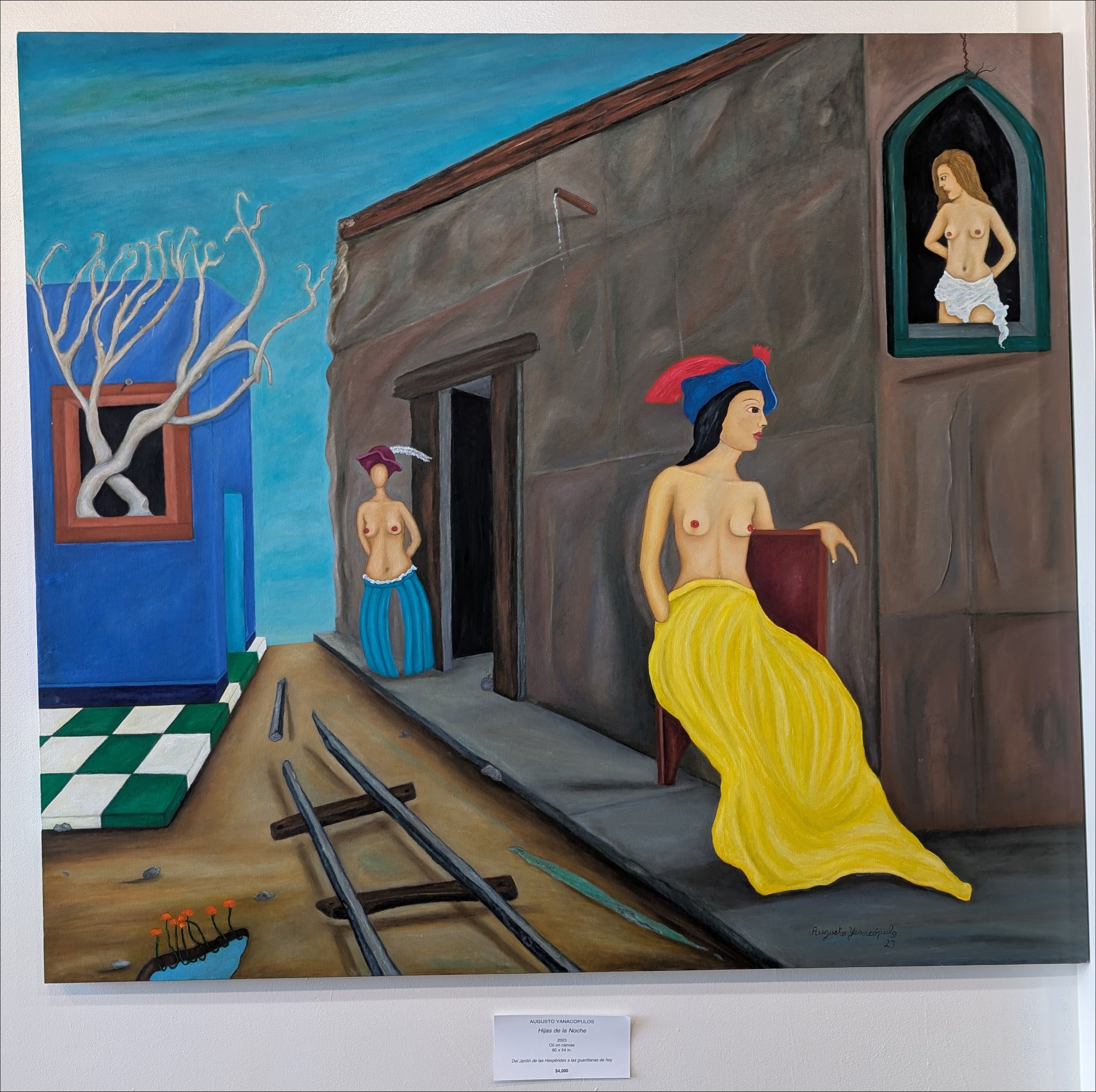
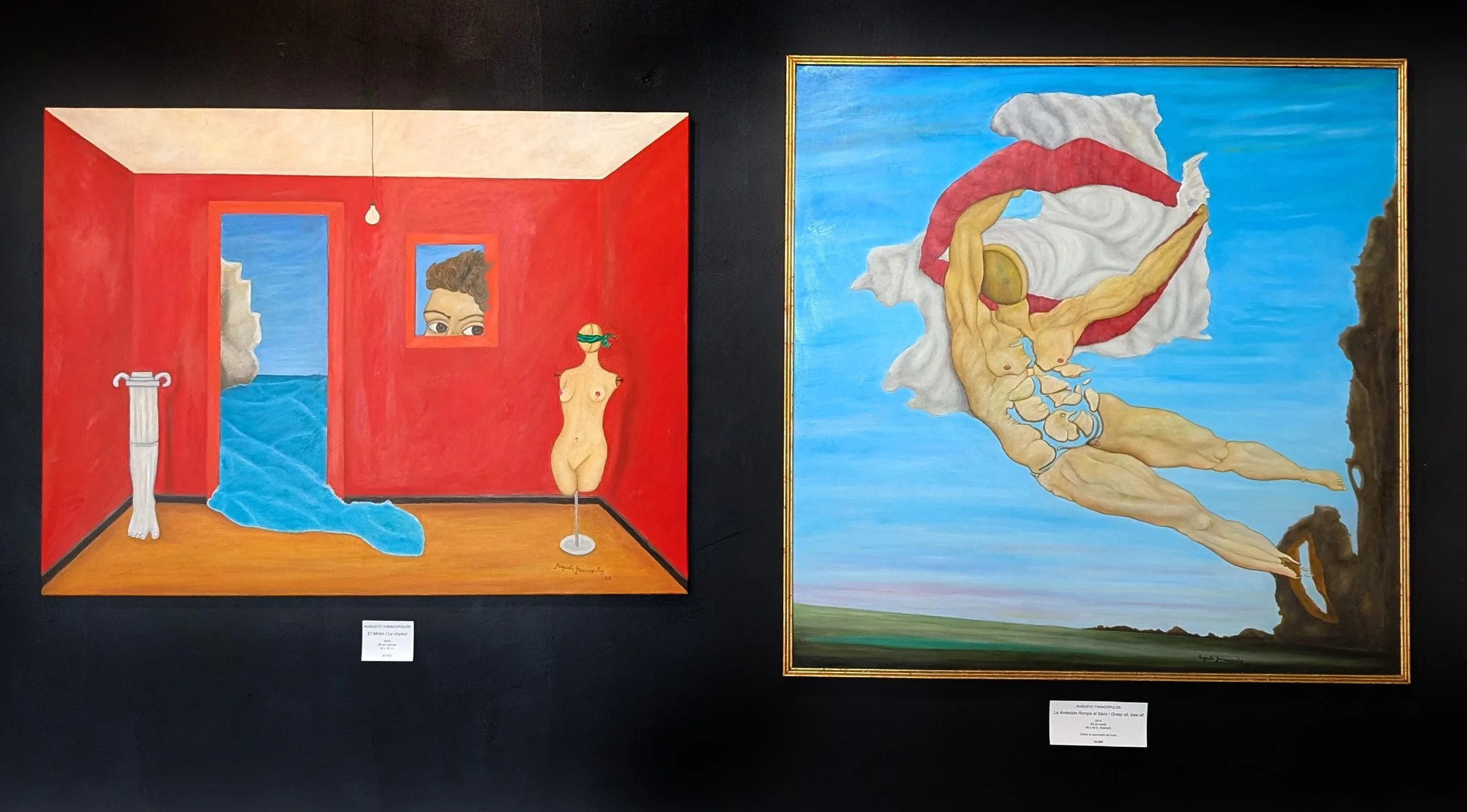
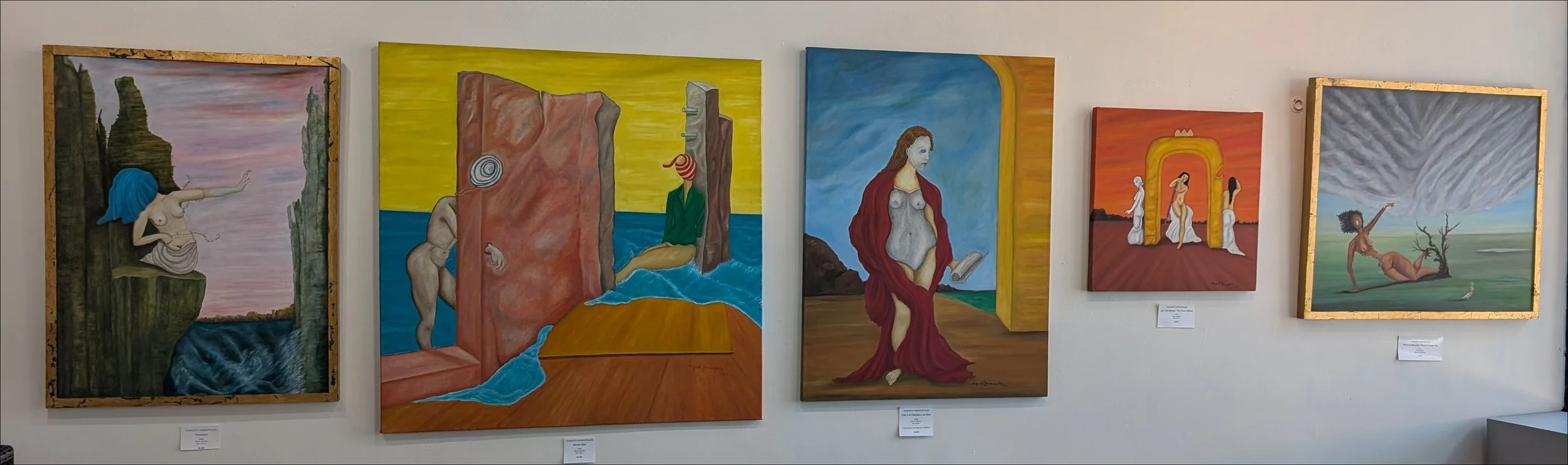
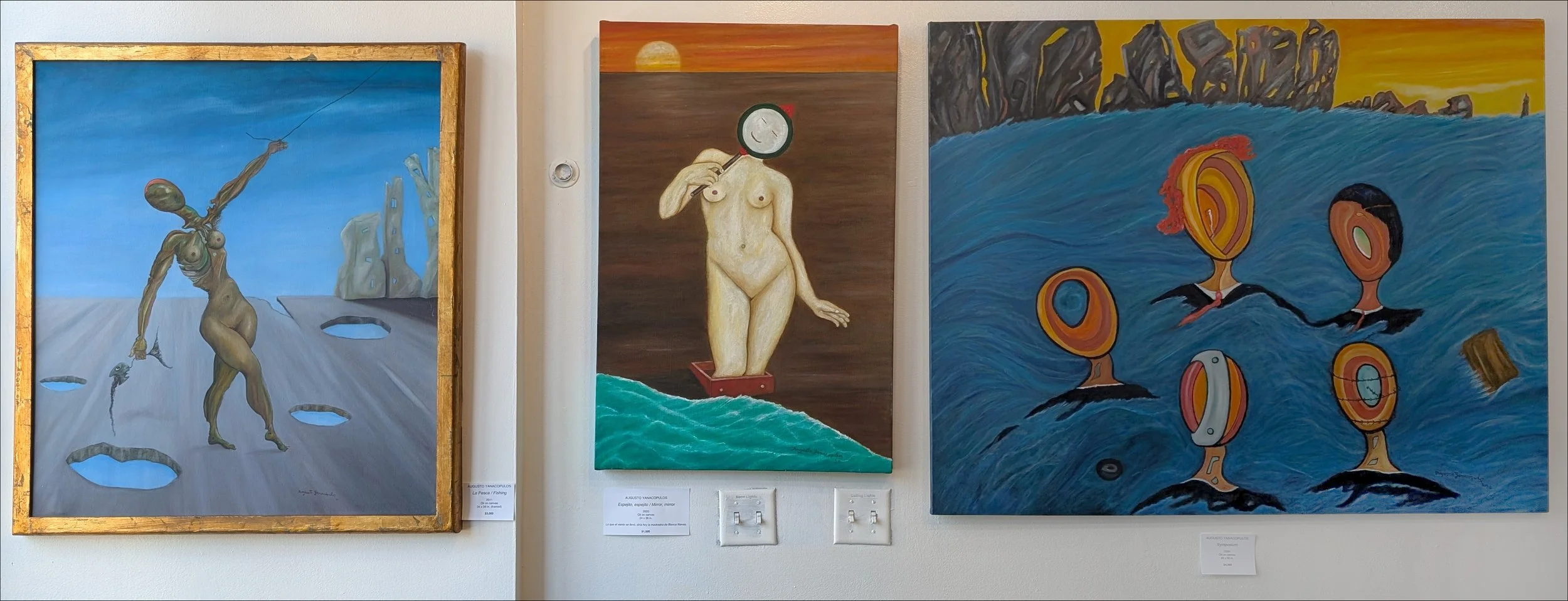
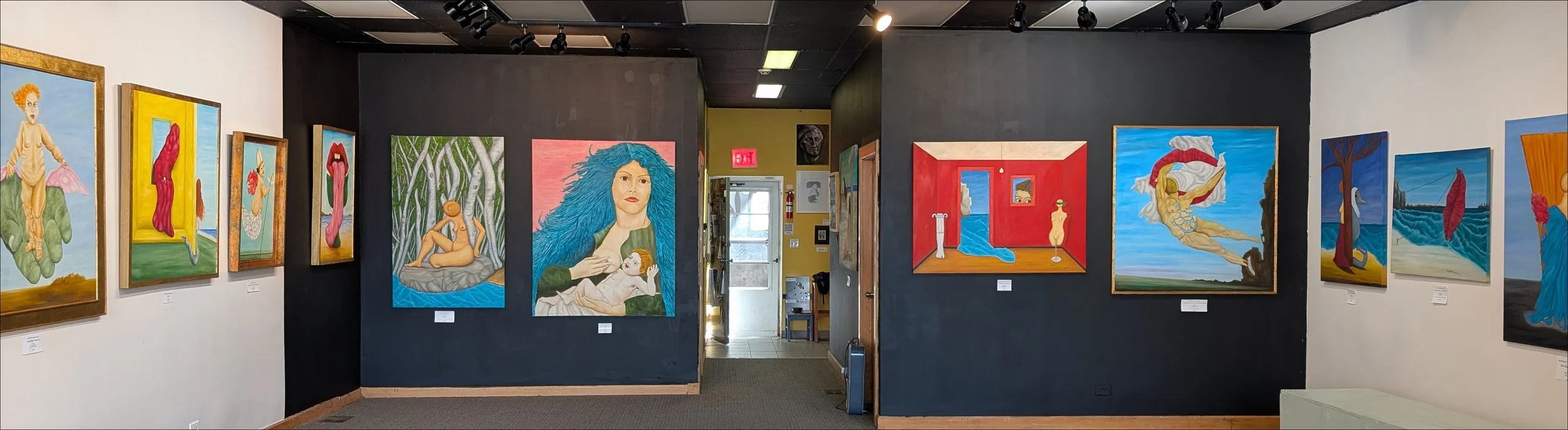
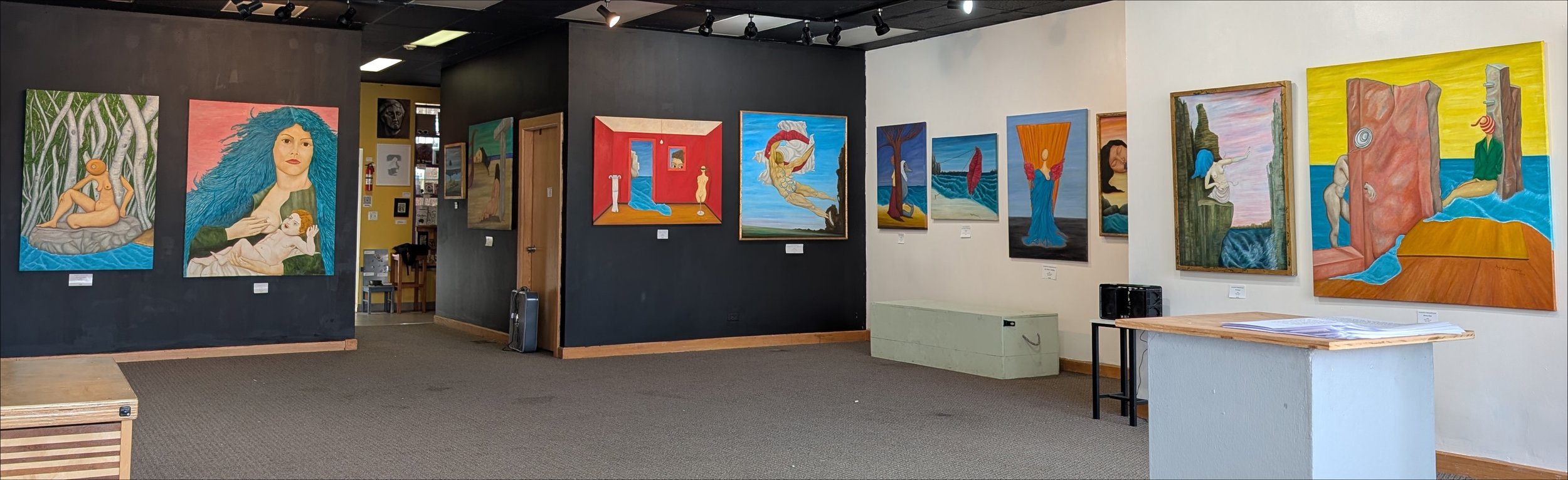
is the metaphor for living. The artist distances himself from the returned image to (re)know himself. This is the confirmation of existence. From the primal impulse, awareness of the body begins, is scope, and ways of interacting with the other. Augusto Yanacopulos concentrates the stroke around corporeality: at times, the fragmented torso proposes a duality between the celestial and earthly planes. In a large number of pieces, the face is omitted; it is necessary to concentrate the gaze on the voluptuous curves that accentuate what is kept secret by the sensibility of clothing and the everyday. It invites reflection on the plastic concept of the master of corporeal mime, Etienne Decroux, who insisted on telling stories from the bare trunk and the veiled face. This is not accidental, considering that Yanacopulos combines painting with a dedicated career on the stage.
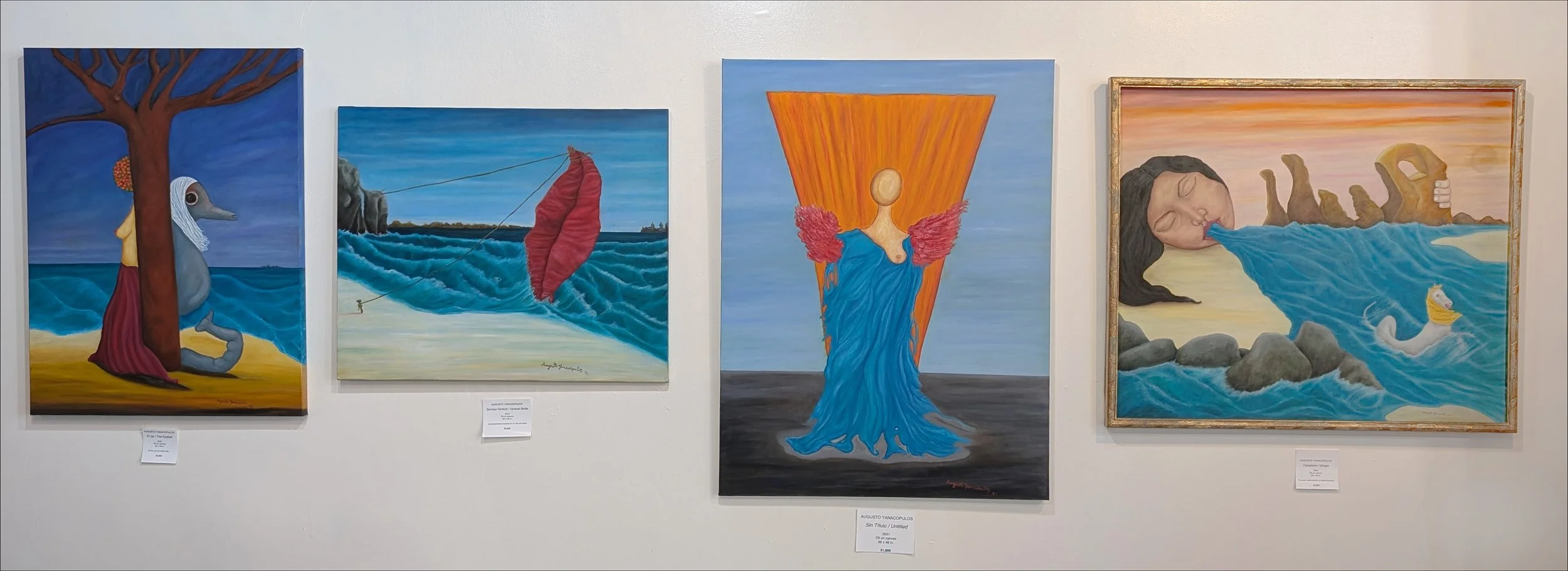
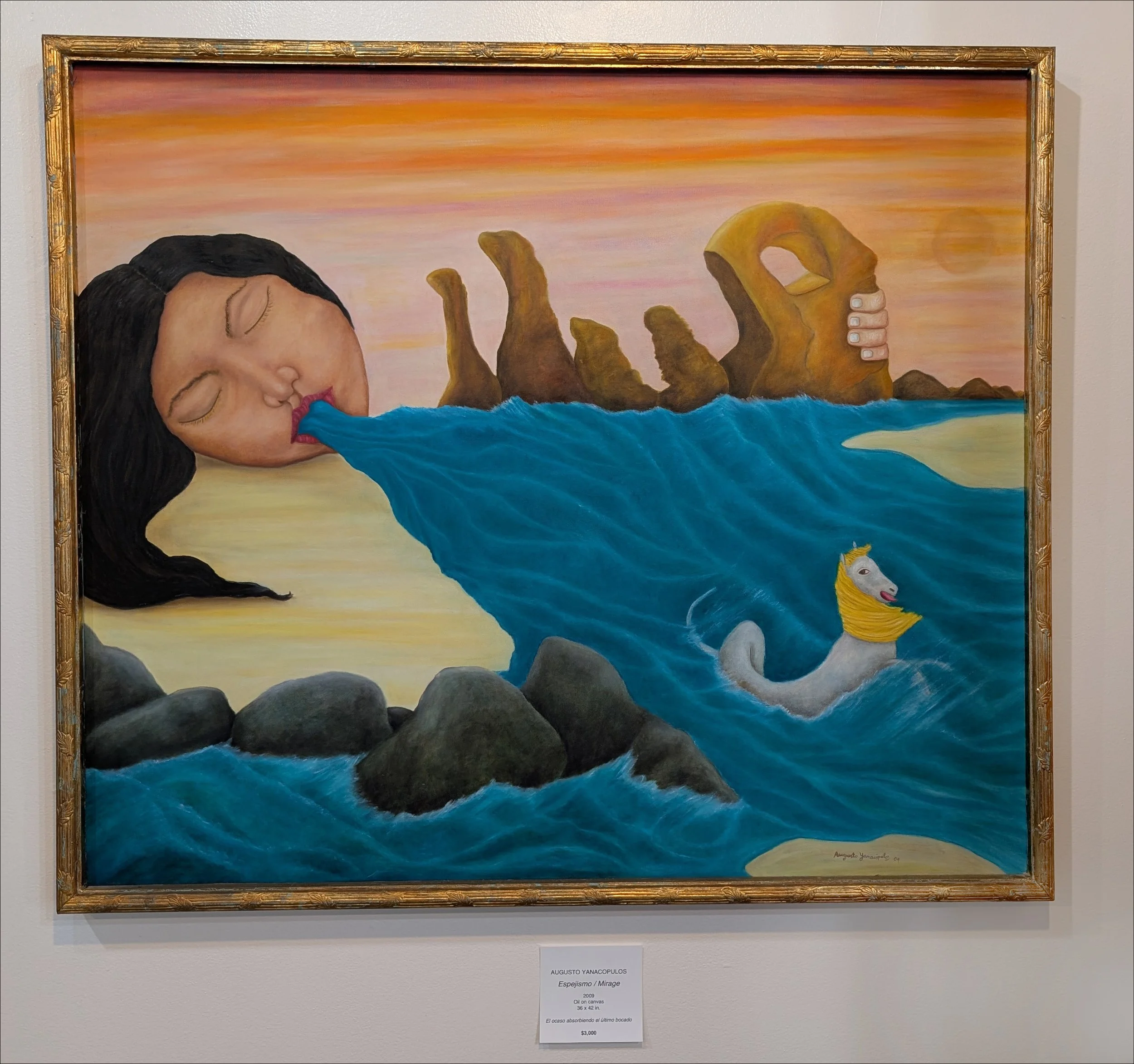
The artist’s portrait is the body bitten by earth, by the sea sale, wind, and the tail of a tornado. The celestial vault is pierced by gray holes that, although terrifying because they are associated with the disastrous, have little to do with sadness. The delirium of the scorched earth, populated by dazed and kind ghosts [se Rulfo], is achieved through management, use, and contrast of light and color. The shades of blue form the baseline atmosphere to tell these surreal stories where the body, seemingly disarmed, is completed in the smooth and poetic stroke.
The pastel tone in pieces like Blue Horse of my Madness aims to strike a note that confuses tenderness with false innocence. It regularly accompanies the body that shows little modesty, the small and undecided sex. The realities place the observer of the work on display. The body in these paintings is never shown unharmed.
The human being delights in the three-dimensional character of the body. Throughout eh reflexive angel, the artist confirms the possibility of the other. Looking at myself is not as important as the philosophical question that arises immediately: How do others look; how do they look at themselves? The response to timely invites us to the metaphysical plant [see Borges, Lorca], to find ourselves in the reconsideration of our unrealities and limitations. The action of reflecting on oneself. The reflexive verb is the reflected body.
-Rey Emmanuel Audújar. Chicago, Summer 2011